Streatham High Road removals guide for narrow access moves
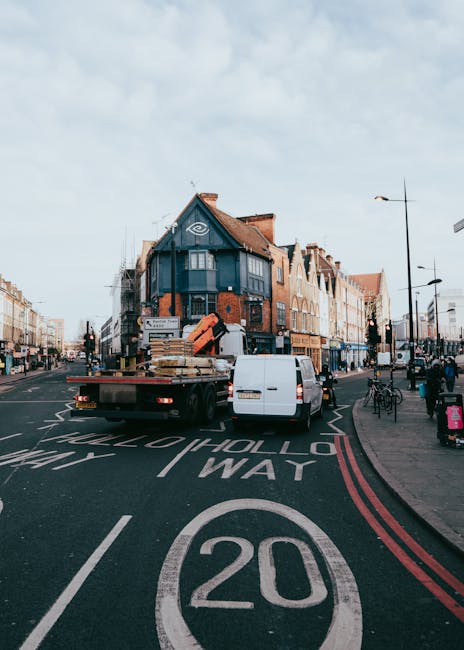
If you are planning a move on Streatham High Road, you may already know the awkward truth: the address can be perfectly liveable and still be a nightmare for a removal van. Tight stairwells, narrow entrances, parked cars, shared hallways, awkward loading bays, and busy traffic all pile on at once. This Streatham High Road removals guide for narrow access moves is here to make that process feel far more manageable.
The good news? Narrow access does not automatically mean difficult access. With the right preparation, the right vehicle choice, and a realistic plan for loading, lifting, and parking, many moves that look tricky on paper go smoothly in practice. Let's walk through what actually matters, what usually goes wrong, and how to avoid the common stress points before moving day arrives.
Why Streatham High Road removals guide for narrow access moves Matters
Streatham High Road is one of those London routes where the moving day reality can be a bit more complicated than the postcode suggests. Properties along a busy high road often have limited stopping space, tight front gardens, shared access, or rear entry that sounds easier until you try turning a sofa through it. A narrow access move is simply a move where the normal "park outside, load quickly, go" method is not realistic.
Why does that matter so much? Because access issues affect almost every part of the move: time, vehicle size, crew size, packing strategy, lifting method, and even how you label boxes. If you underestimate the access, you can end up with longer carry distances, extra handling, and that creeping feeling that the day is running away from you. Nobody wants to be wrestling a wardrobe while a queue of cars builds behind the van. Not ideal, to put it mildly.
In our experience, the best moves on busy London roads are the ones planned around the building, not just the contents. That means measuring doorways, checking stair turns, thinking about parking restrictions, and deciding whether a smaller vehicle or a more flexible service such as man with a van or man and van is the better fit than a larger truck.
A properly planned narrow access move also protects the property. Scratches on bannisters, scuffed walls, cracked lamp shades, or dented table legs usually happen when people rush. Slowing down a little, oddly enough, often makes the whole thing faster.
How Streatham High Road removals guide for narrow access moves Works
A narrow access move works by breaking the job into smaller decisions instead of treating it as one giant lift-and-shift. First comes access assessment. Then comes vehicle planning. Then comes packing and handling. The actual moving day is simply the final step in a chain that has hopefully already removed the surprises.
The access assessment is the bit people often skip. It sounds dull. It is not glamorous. But it saves headaches. You are looking at things like stair width, lift size, corridor bends, the number of steps from pavement to front door, and whether there is anywhere safe to wait with a vehicle. If a sofa has to angle through a narrow landing or a fridge has to clear a tight corner, that needs to be known early, not discovered halfway down the stairs.
For flats and maisonettes, shared entrances can make timing just as important as space. A careful move may need a staggered load-out, more protection for communal areas, or a smaller van that can be turned around without blocking the whole street. For that reason, many residents compare options such as flat removals, removal van, and removal services before choosing the right fit.
In practical terms, the move usually follows this rhythm:
- Survey the building and route in and out.
- Choose the right vehicle size and crew approach.
- Pack and label items so awkward pieces are handled first or last, as needed.
- Protect floors, walls, and furniture.
- Load in a sequence that reduces backtracking and congestion.
- Unpack or position the larger items first so the rest of the day stays calm.
It is worth saying plainly: narrow access is rarely about one single obstacle. It is the combination that causes trouble. A narrow stairwell is manageable. A narrow stairwell plus no parking plus heavy furniture plus a rain shower at 8:00 a.m. is where planning earns its keep.
Key Benefits and Practical Advantages
When a narrow access move is planned properly, the advantages are easy to feel on the day. Things move in a steadier rhythm. The crew knows what to expect. You do not have to keep pausing to rethink the route. And that matters far more than people realise.
- Less risk of damage: Furniture, walls, and stair rails are better protected when the route is planned in advance.
- Better time control: A realistic schedule avoids the domino effect of delays.
- Less stress for the household: You spend less time improvising and more time settling in.
- Smarter vehicle choice: A smaller van or a flexible crew can sometimes be better than a bigger lorry.
- Cleaner loading process: Clear item sequencing helps avoid bottlenecks in narrow hallways or shared entrances.
Another underrated benefit is communication. Once everyone understands the access limits, decisions become easier. A piano goes first or last. A wardrobe is dismantled. A heavy sofa is wrapped differently. Those choices sound small, but they stop the whole day from turning into a puzzle.
If your move involves valuable or delicate items, access planning is even more important. Services like piano removals, furniture removals, or house removals can be adapted to difficult layouts, but only when the team knows the constraints early.
Expert summary: Narrow access moves succeed when the plan fits the building. Measure first, choose the right vehicle second, and only then decide the loading sequence. That order matters.
Who This Is For and When It Makes Sense
This guide is for anyone moving from or to a property on Streatham High Road where space is limited or access is not straightforward. That can mean a top-floor flat, a converted terrace, a shop unit with tight back access, a house with a narrow front path, or a building where parking is difficult even on a good day.
It is especially useful if you are:
- moving from a flat with stairs but no lift;
- dealing with a busy road and limited stopping space;
- moving bulky furniture through narrow hallways;
- relocating a small office, studio, or consulting space;
- moving in a rush and need a more flexible service;
- trying to avoid unnecessary dismantling or reassembly.
It also makes sense for students, renters, first-time buyers, and small businesses. For example, student moves often involve fewer items but more awkward timing, while office moves can be less about volume and more about avoiding disruption. If that sounds familiar, you may want to look at student removals or office removals.
Truth be told, this kind of move is not only for large or difficult properties. Even a modest one-bedroom flat can become a narrow access job if the staircase is tight and the nearest legal parking spot is a fair walk away. That is the bit that catches people out.
Step-by-Step Guidance
Here is the practical version, the one that helps you stay sane rather than simply informed.
1. Measure the access properly
Measure door widths, stair landings, corridor bends, and any external spaces where furniture needs to turn. Do not guess. If you have to, use a tape measure and write the figures down in one place. A quick phone photo of awkward corners helps too.
2. Check parking and stopping options
On Streatham High Road, parking can be the make-or-break issue. Look at where a van can safely stop, how long it can stay there, and whether the load point is realistically close enough to prevent long carries. If you are unsure, assume it will take longer than you think. That is usually safer.
3. Separate items by difficulty
Make a simple list: easy items, awkward items, heavy items, fragile items. The awkward items need extra attention. Think wardrobes, mattresses, large mirrors, table tops, and anything with fragile joints. If an item looks like it will snag on a stair turn, plan for it now.
4. Pack for a narrow route
Good packing matters more in a tight building than in an open driveway move. Use strong boxes, reinforce weak ones, and keep heavier items in smaller cartons. If you need support with packing, it may be worth using packing and boxes or packing and unpacking services.
5. Protect floors and surfaces
Hallways and stairs get more wear in narrow access moves because everything passes through the same space. Floor runners, blankets, corner protection, and careful footwear all help. It sounds overcautious until you hear a heavy box scrape a painted wall. Then it suddenly feels very sensible.
6. Decide what should be dismantled
Not every item needs to be dismantled, but some do. Bed frames, large wardrobes, some desks, and modular shelving often move better in parts. Dismantling can be the difference between a controlled lift and a strained one. A small screwdriver set and labelled bags for fixings are worth their weight in gold. Slight exaggeration, maybe. But only slight.
7. Load in the right order
Usually, the heaviest and most awkward items should be handled first, unless the route or timing suggests otherwise. The point is to keep the path clear and avoid blocking yourself in. This is where an experienced team earns its keep, because they can adapt the order to the building rather than following a rigid script.
8. Leave room for the unexpected
There is always something. A key not ready. A neighbour's car blocking the access point. A wardrobe that needs more angle than expected. Build in slack. A move with no spare time is where frustration grows fastest.
Expert Tips for Better Results
The best tips are usually the boring ones, which is a shame because the dramatic ones get more attention. Still, boring is often beautiful on moving day.
- Use smaller boxes for books and dense items. A narrow staircase is no place for overfilled cartons.
- Label awkward items clearly. "Fragile," "do not stack," and "needs dismantling" all help.
- Keep a clear "first in" box. Put kettle, tea, charger, toilet roll, tape, and keys in one obvious place.
- Photograph cable setups before unplugging anything. Very useful for desks, TVs, and office kit.
- Move the large pieces before the hallway gets crowded. Once small boxes pile up, the route gets messy quickly.
- Use blankets or covers on anything that brushes through tight corners. Better safe than sorry.
Another tip that helps a lot: do not overfill cupboards, drawers, or storage tubs thinking it saves time. It rarely does. Heavier loads become harder to carry, and in a narrow access move that extra weight can turn into a real problem. Keep it sensible and balanced.
If the job involves a multi-stop move or a tight timescale, same-day removals can sometimes help, but only if the access is clearly understood from the start. Same-day and narrow access can work together. They just need a steady hand.
Common Mistakes to Avoid
Most moving headaches are predictable. That is the frustrating part. They are also avoidable, which is the encouraging part.
- Assuming a large van is always better. Sometimes a smaller, more nimble vehicle is the smarter choice.
- Forgetting about parking reality. A van that cannot legally or safely stop near the property will slow everything down.
- Ignoring the staircase. A wide front door means very little if the staircase has a tight turn halfway up.
- Packing too many heavy items into large boxes. That is a classic move-day regret.
- Leaving dismantling until the last minute. It almost always creates pressure.
- Not warning the movers about fragile or high-value items. Clear information prevents avoidable mistakes.
- Trying to move bulky items without enough protection. This is where scuffs and dents creep in.
One slightly less obvious mistake is failing to plan for the end of the move. People focus on getting things out of the old place, then arrive at the new one with nowhere ready for the biggest items. If the hallway at the destination is narrow too, you need to know where the bed, sofa, and white goods will go before the van even arrives.
Tools, Resources and Recommendations
You do not need a van full of specialist kit to handle a narrow access move, but a few tools make the day much smoother.
- Tape measure: Essential for checking doorways, stairs, and furniture dimensions.
- Furnishing blankets and wrapping materials: Help protect furniture and walls.
- Strong packing tape: Weak tape is a nuisance in any move, especially a tight one.
- Marker pens and labels: Make room placement and sequencing much easier.
- Basic toolkit: Useful for beds, desks, and wardrobe dismantling.
- Gloves with a decent grip: Handy for awkward carries and better control.
- Floor protection: Good for shared entrances, wooden floors, and narrow corridors.
It can also help to compare service styles before you book. A flexible man with van setup may suit a smaller move with tight access, while a fuller removals service may be better if you have more furniture, heavier items, or a longer route to cover.
If you are clearing items before the move, you may also find furniture pick up helpful, especially where bulky items should not be taken to the new address. And if you need to keep belongings safe between homes, storage can give you breathing room. That extra bit of space is often the difference between a rushed move and a calm one.
Law, Compliance, Standards, or Best Practice
For a home or business move in London, the most important thing is not to treat safety as optional. Moving teams should work in line with sensible manual handling practice, property protection, vehicle safety, and clear communication. Exact duties can vary depending on the circumstances, but the principle is simple: no one should be asked to lift beyond what is reasonable, and no route should be forced if it is unsafe.
Good practice usually includes:
- checking access before arrival where possible;
- using appropriate lifting methods and team coordination;
- protecting shared areas and floors;
- keeping pathways clear;
- treating fragile or valuable items with extra care;
- making sure transport is suitable for the load.
If you are comparing removal providers, it is reasonable to ask about safety procedures, insurance arrangements, and how they handle awkward access. You can also review pages such as health and safety policy and insurance and safety to understand how a professional business approaches those basics.
For larger or more complex jobs, a business move or multi-room relocation may need a more structured service. In those cases, commercial moves and office relocation services are worth considering. The point is to match the method to the real-world job, not to squeeze everything into one generic plan.
Options, Methods, or Comparison Table
Here is a simple comparison to help you choose the most practical approach for a narrow access move on or around Streatham High Road.
| Option | Best for | Strengths | Watch-outs |
|---|---|---|---|
| Man and van | Smaller homes, student moves, light loads | Flexible, easier to position, often ideal for tight streets | May need multiple trips for larger loads |
| Full removals service | Family homes, larger flats, more furniture | More support, better for heavy or awkward items | Needs clearer planning if access is very tight |
| Removal van only | Budget-conscious moves with straightforward loading | Simple and efficient when the job is small | Less hands-on support for lifting and handling |
| Storage first | Staged moves or temporary gaps between properties | Reduces pressure when access or timing is awkward | Requires an extra step later on |
There is no single winner here. A student leaving a one-bed flat may do very well with student removals, while a family moving several rooms may need a more complete plan. The right choice is the one that fits the building and the volume, not the one that sounds biggest.
Case Study or Real-World Example
Here is a realistic example. A couple moving from a first-floor flat near Streatham High Road had a narrow stairwell, a tight front path, and limited stopping space outside. The larger items were a bed frame, two wardrobes, a sofa, a dining table, and several boxes of kitchenware. At first glance, they assumed a standard van would be enough.
Once the access was checked properly, it became obvious that a smaller vehicle and a more careful loading sequence would be better. The wardrobes were dismantled before moving day, the sofa was wrapped, and the boxes were split into lighter loads. The team parked as close as legally and safely possible, protected the communal hallway, and moved the furniture in a deliberate order instead of trying to rush everything out at once.
The result? Fewer awkward turns, less strain on the crew, and a calmer handover at the new address. The couple had expected a stressful day. It was busy, yes, but not chaotic. That is usually the real win with narrow access moves: not perfection, just controlled progress.
And honestly, that is enough. A move does not have to be picturesque to go well.
Practical Checklist
Use this checklist before moving day. A quick run-through the night before can save a lot of scrambling in the morning.
- Measure all key doorways, stair turns, and furniture dimensions.
- Check parking, loading, and stopping options near both properties.
- Confirm whether large items need dismantling.
- Pack heavy items into smaller boxes.
- Label fragile items clearly.
- Protect floors, bannisters, and corners.
- Prepare a first-night box with essentials.
- Keep tools, keys, and documents in one place.
- Tell the removal team about any awkward access points.
- Leave a little extra time for delays.
If you are still deciding which service style suits you, looking through removal companies and comparing the support offered can be useful. Not every move needs the same level of help. The trick is to be honest about the access from the start.
Get a free quote today and see how much you can save.
Conclusion
A narrow access move on Streatham High Road is all about preparation, patience, and making practical choices early. If you understand the access, choose the right vehicle, and pack with the building in mind, the day becomes much more predictable. That is the real aim here: fewer surprises, fewer scrapes, and fewer moments where everyone stands in the hallway wondering how the sofa ever fitted through the door in the first place.
Whether you are moving a flat, a family home, a student room, or a small business space, the same principle holds true. Plan the route, respect the space, and give yourself enough margin to breathe. That calm bit at the end, when the last box is in and the kettle is found, feels very good indeed.
For help with a tailored approach, you can also explore home moves, house removalists, or removal services depending on the size and complexity of your move. A well-planned move is never just about transport; it is about making the whole day feel manageable.
Frequently Asked Questions
What counts as a narrow access move on Streatham High Road?
It usually means a move where parking, loading, hallways, staircases, or external space make the job more difficult than a standard door-to-van move. That could be a flat above a shop, a terraced house with a narrow entrance, or a property with tight internal turns.
Do I need a smaller van for a narrow access move?
Often, yes, but not always. A smaller van can be easier to position on a busy road, but the right choice depends on how much you are moving and how far the items need to be carried. Sometimes a larger vehicle with a smarter loading plan works better.
How do I prepare furniture for tight stairs and corners?
Measure the furniture first, remove loose parts, protect edges, and dismantle pieces where it clearly helps. Blankets, covers, and good grip matter. If an item looks like a bad fit, do not wait until moving day to realise it.
What if parking outside the property is limited?
That is very common on busy London roads. The best approach is to identify the nearest safe and legal stopping point in advance and plan for the carry distance. If access is really tight, allow extra time and avoid adding pressure to the schedule.
Can narrow access moves be done on the same day?
Yes, sometimes they can, especially if the load is modest and the route is understood in advance. But same-day jobs leave less room for surprises, so they work best when the access is straightforward enough to manage quickly.
Is a man and van service suitable for narrow access?
It can be a very good fit for smaller moves, student moves, or jobs where flexibility matters more than vehicle size. A service like man and van is often useful when the access is tight but the volume is not huge.
Should I dismantle furniture before the movers arrive?
If the furniture is bulky, awkward, or likely to catch on stair turns, yes, dismantling in advance is often wise. It saves time and lowers the risk of damage. Just keep fixings and screws together in labelled bags.
How can I reduce damage risk in a narrow hallway?
Use floor protection, wall covers, and careful handling. Keep the route clear, move one item at a time, and avoid rushing through corners. A slow, steady carry is usually safer than a quick one.
Do I need insurance for a narrow access move?
It is sensible to understand what cover is in place before the move starts. Insurance cannot remove risk completely, but it matters if something unexpected happens. Asking about this upfront is just good practice.
What if I need to store some items during the move?
Temporary storage can be very helpful if access, timing, or space at the new property is not quite ready. It gives you flexibility and can take the pressure off the move day itself.
Are office moves different from home moves when access is tight?
Yes, because office moves often involve workstations, IT equipment, filing, and a stronger need to avoid downtime. The access challenges may be the same, but the planning usually needs more coordination and a clearer sequence.
How far in advance should I book a narrow access move?
As early as you can, especially if the move is on a busy road or involves a larger property. Early booking gives you time to assess access properly and avoid a rushed, guesswork-heavy plan.