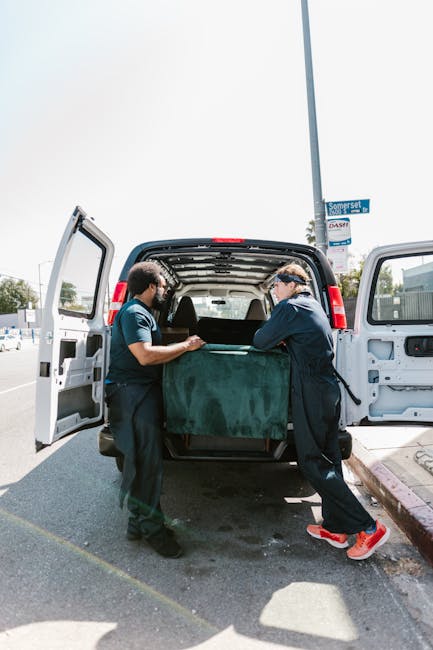
SW16 Removal Van Tips for Flats Above Shops
Moving out of a flat above shops in SW16 can be trickier than a standard residential move. There may be narrow stairwells, shared entrances, limited waiting space, awkward parking, and a steady stream of people coming and going below you. If you are trying to plan a smooth move without upsetting neighbours, blocking a loading bay, or discovering at the last minute that the sofa will not fit past the bannister, a little preparation goes a long way. These SW16 removal van tips for flats above shops will help you avoid the usual headaches and keep the day under control.
In this guide, you will find practical advice on access, packing, timing, van choice, permissions, and the small details that make a big difference. It is written for real moving days, not perfect ones. Because let's face it, not every flat above a shop has a tidy lift and a huge forecourt waiting outside. Some are lovely. Some are a bit of a puzzle.
Why SW16 removal van tips for flats above shops Matters
Flats above shops create a very particular moving challenge. In many parts of SW16, you are dealing with mixed-use buildings where the residential entrance is separate from the retail frontage, or where the only practical access is through a narrow shared passage. That changes how the van is parked, how items are carried, and how long the job takes.
The biggest issue is usually access. A move that seems straightforward on paper can become slow and stressful if the van cannot get close enough, if there is nowhere to wait, or if the staircase is too tight for bulky furniture. A small misjudgement here can lead to extra lifting, more carrying distance, and unnecessary damage risk. Nobody wants a wardrobe scratching freshly painted walls at 8:15 in the morning.
It also matters because flats above shops often sit on busy roads. Even a short stop can attract attention if the vehicle is blocking traffic or sitting in a restricted space. Planning a removal van properly helps you stay considerate, efficient, and realistic about timing. You will notice the difference almost immediately on the day.
If you are using a professional team, it is worth checking how they handle flats, narrow access, and awkward loading. Services such as flat removals and flexible removal services are often a better fit than a one-size-fits-all approach, especially where access is tight.
How SW16 removal van tips for flats above shops Works
The moving process is not complicated, but it does need structure. First, you assess the building: stairs, lift, entry door width, parking options, the distance from the van to the entrance, and whether there are any restrictions on loading. Then you match the van and crew size to the property rather than the other way around. That sounds obvious, but it is where a lot of moves go a bit sideways.
For a flat above a shop, the removal van should ideally be able to park as close as possible without causing problems for traffic, neighbours, or the business downstairs. If there is no safe or legal place directly outside, you may need to plan a short carry route from a nearby bay or side street. This is where strong packing and item labelling matter. If the team has to move things in stages, clear labels and good box discipline keep the flow steady.
Practical timing matters too. Early mornings can be quieter on the roads, while lunch periods may be busier around shopfronts. Every building is different, though. A street that feels calm at 7:30 can become surprisingly lively by 9:00. A little common sense helps more than fancy planning software ever will.
If your move involves lighter loads or only a few large items, a smaller vehicle may be sufficient. For heavier or more complex moves, a larger vehicle or a dedicated moving truck may make the job more efficient. For many local flat moves, a well-planned removal van is the sweet spot.
Key Benefits and Practical Advantages
Good planning gives you more than convenience. It protects the property, reduces delays, and makes the whole day less tiring. Moving is physical work, and the less unnecessary carrying you do, the better. Simple as that.
- Less risk of damage: Better access planning means fewer knocks, scrapes, and awkward turns on stairs.
- Faster loading and unloading: A van parked in the right position saves time and energy.
- Lower stress: Clear expectations help everyone stay calmer, including neighbours and shop staff.
- Better value for money: When the move runs smoothly, the crew spends less time on avoidable delays.
- Less disruption to local business: This is especially important when the residential entrance shares space with a trading shopfront.
There is also a practical comfort benefit. People often underestimate how draining it is to keep carrying boxes up and down stairs while trying not to block the entrance. If you plan well, you can focus on the actual move rather than firefighting little problems. That matters more than people think.
For households moving between flats, or from a flat above shops to a house, pairing these tips with home moves support can be a sensible choice. If you have large furniture or specialist pieces, it may also help to review furniture removals before the day arrives.
Who This Is For and When It Makes Sense
This guidance is ideal for tenants, homeowners, landlords, and letting agents dealing with upper-floor properties above commercial premises. It is especially useful if you are moving from a parade, a high street flat, or a converted building where access is shared with a shop or cafe below.
It also makes sense if your move includes any of the following:
- large furniture pieces such as wardrobes, bed frames, or sofas
- narrow internal stairs or tight corners
- no lift, or a lift that is too small for larger items
- limited on-street parking
- restricted loading times
- same-day or short-notice moving needs
If your move is small enough that you only need one van and a couple of helpers, a man and van style service may be the right fit. If there are more items, awkward access, or you want the job handled with less lifting, a more structured team is usually the safer bet. Truth be told, a tiny move can still become a big one when a king-size mattress meets a stairwell. Funny how that happens.
Students moving out of upper-floor accommodation above shops may also find these tips useful, particularly when deadlines are tight and furniture is basic but bulky. In that case, student removals can be a practical option.
Step-by-Step Guidance
- Survey the access properly. Measure the stairs, note the tight turns, check the entrance height, and look for anything that might block the route.
- Confirm parking and stopping options. Decide where the van can legally and safely wait, even if that spot is not right outside the front door.
- Separate essential items. Keep documents, keys, chargers, medication, and valuables with you. Do not bury them in a box labelled "misc". That box always causes trouble.
- Pack by room and weight. Label boxes clearly and keep heavy items in smaller boxes so they are safer to carry upstairs and downstairs.
- Dismantle bulky furniture early. Beds, tables, and modular storage often move better in parts than as a full piece.
- Protect the stairwell and walls. Use blankets, corner protection, and careful handling where permitted.
- Move the heaviest items first. If access is awkward, start with the awkward pieces while everyone is fresh.
- Do a final sweep. Check cupboards, lofts, behind radiators, and the shop-adjacent storage nook if there is one. People forget things there all the time.
A good move tends to follow a simple rhythm: plan, carry, check, repeat. You do not need to overcomplicate it. Just keep the path clear and the boxes sensible.
If packing feels like the most time-consuming part, support from packing and boxes or packing and unpacking services can save a surprising amount of energy.
Expert Tips for Better Results
In our experience, the best moves from flats above shops are not the ones with the biggest van. They are the ones where the access is understood early and the load is organised properly. A few expert-level habits make a real difference.
Book around building and street activity
If possible, avoid the busiest periods for the street below. A parade of shops may be quiet in the morning but busy later, or the other way round. Check when deliveries usually arrive. If there is a cafe downstairs, the lunchtime rush can make loading awkward. It is not rocket science, but it saves hassle.
Use smaller, safer loads for stairs
Heavy boxes are one of the quickest ways to create injuries or dropped items. Small boxes are not glamorous, but they are much easier to carry on stairs. A box that feels "fine" in the living room can feel twice as heavy on the landing. That is just how it goes.
Plan for the angle, not just the size
A sofa may fit through a doorway on paper but still fail at the turn on the staircase. Measure the tricky bend, not only the doorframe. This is the detail people miss most often. And then they regret it, usually while standing halfway in the stairwell wondering who designed the place.
Keep shared spaces tidy and calm
Flats above shops often have shared access. A courteous, tidy approach helps prevent complaints. Keep doors propped only when safe, avoid leaving packaging in the way, and be ready to step aside if customers need to pass through.
Consider storage if timing is messy
If there is a gap between moving out and moving in, or if access is limited and you need to split the move, storage can give you breathing room. That can be especially useful when keys are delayed or the new place is not ready.
Common Mistakes to Avoid
Most moving mistakes are not dramatic. They are small oversights that snowball. The good news is they are easy to avoid once you know what to look for.
- Underestimating stair difficulty: A staircase in a flat above a shop can be much tighter than you remember from the viewing.
- Ignoring parking realities: If the van cannot stop safely, the whole schedule slips.
- Packing boxes too heavily: This is one of the fastest ways to slow down a move and strain a back.
- Forgetting building access instructions: Buzzers, codes, side entrances, and delivery restrictions all matter.
- Leaving dismantling until the last minute: Flat-pack furniture always takes longer when everyone is already tired.
- Not warning neighbours or the shop below: A little notice can prevent a lot of friction.
One small but common issue is assuming the move can be done exactly as planned, even if the road is busier than expected. Flexibility helps. So does patience. That sounds obvious, but on moving day people can become a bit optimistic. "We'll be out in twenty minutes" has a way of ageing badly.
Tools, Resources and Recommendations
You do not need specialist kit for every move, but a few practical tools are worth having around. Think of them as small helpers, not magic solutions.
| Item | Why it helps | Best use |
|---|---|---|
| Strong tape and labels | Keeps boxes secure and rooms organised | All packing stages |
| Furniture blankets | Helps reduce scuffs and knocks | Sofas, tables, wooden items |
| Small box selection | Makes stair carries safer | Books, kitchenware, heavy items |
| Basic tools | Useful for dismantling and reassembly | Beds, shelves, desks |
| Floor protection | Helps keep shared hallways tidy | Wet or scuffed weather, narrow corridors |
For many people, the most useful resource is not a gadget at all, but a service that understands the job. If you need a broader relocation plan, removals support can be a good place to start. If you are comparing moving options and want something practical rather than overcomplicated, removal companies can differ a lot in how they approach awkward access.
Sometimes the right answer is simply choosing the right vehicle and team. Other times, it is adding time. That extra hour can make the difference between a stressful squeeze and a decent, orderly move.
Law, Compliance, Standards, or Best Practice
For a flat above shops, the main compliance concerns are usually practical rather than highly technical: parking rules, loading restrictions, building access arrangements, and safe manual handling. You should always work within local parking and stopping rules and avoid blocking pavements, entrances, or business access points. If the street has restrictions, check the plan in advance rather than hoping for the best. Hoping is not a strategy, despite how often people try it.
Safe lifting matters too. Carrying furniture up narrow stairs is physically demanding, so sensible team lifting, clear walkways, and manageable box weights are part of good moving practice. Where access is tight, it is better to break furniture down than force it through a space that is obviously too small. That is common sense, really, but it is worth saying.
If you are hiring help, it is reasonable to ask about insurance, handling procedures, and how the crew protects both the property and your belongings. You can also review a company's insurance and safety approach and its health and safety policy before booking. For payment clarity, it is sensible to check payment and security information and the terms and conditions so there are no surprises later.
Responsible disposal is another area worth thinking about. If your move involves unwanted furniture, look into recycling and re-use options where appropriate. It is cleaner, more practical, and usually less wasteful. That part of a move can feel small on the day, but it adds up.
Options, Methods, or Comparison Table
Choosing the right moving setup depends on how much you have, how tricky the access is, and how much time you want to spend carrying items up and down stairs. Here is a straightforward comparison.
| Option | Best for | Pros | Watch-outs |
|---|---|---|---|
| Man and van | Smaller flat moves, lighter loads | Flexible, usually efficient for compact jobs | May be less ideal for very bulky furniture or many trips |
| Dedicated removal van | Typical flat moves with mixed items | Balanced capacity and flexibility | Still needs good access planning |
| Moving truck | Larger moves or lots of furniture | More volume, fewer runs | Can be awkward on narrow streets or restricted parking |
| Storage split move | Delays, staged moves, uncertain keys | Reduces pressure and handles timing gaps | Extra coordination needed |
For many SW16 flats above shops, the best choice is a well-organised man with van arrangement or a standard removal van setup. If the move is more complex than it first appears, stepping up to removal truck hire may be the safer option.
Case Study or Real-World Example
Here is a realistic example. A couple moving out of a one-bedroom flat above a row of shops in SW16 had a narrow staircase, a heavy wardrobe, and limited parking directly outside. At first, they assumed a quick loading stop would be enough. Once they checked the route properly, they realised the van would need to park a short distance away due to the street layout.
Instead of treating that as a problem, they adjusted the plan. They packed smaller boxes, dismantled the wardrobe the day before, and kept a clear path from the stairwell to the entrance. They also warned the downstairs business about the moving time. The result was not flashy, but it was calm, orderly, and far less stressful than it could have been.
The key lesson? The move was not "easy". It was just prepared. That distinction matters. A lot.
In cases like that, using a service with experience in house removals and home moves can make the whole process feel less like a gamble and more like a plan.
Practical Checklist
Use this before moving day. It is not glamorous, but it is useful.
- Measure stairs, doorways, and any sharp corners
- Check parking and loading restrictions
- Confirm building access codes, buzzers, and key handover details
- Warn the shop below, if appropriate, about the moving window
- Pack heavy items into smaller boxes
- Dismantle beds and other bulky furniture early
- Protect fragile items with enough padding, not just hope
- Set aside essentials you will need on arrival
- Keep a phone charger, water, and snacks nearby
- Plan where boxes will go in the new property before arrival
If you want one single tip above all others, it is this: measure the awkward parts before the van arrives. That one step prevents a surprising number of headaches.
Get a free quote today and see how much you can save.
Conclusion
Moving from a flat above shops in SW16 does not have to be chaotic. With the right preparation, sensible packing, and a removal van plan that suits the building rather than fighting it, the whole day becomes far more manageable. The trick is to think about access early, keep the load sensible, and stay realistic about timing.
Whether you are moving a single room, a full flat, or a slightly awkward mix of furniture and boxes, the same principles apply: measure first, pack properly, protect the route, and choose the right moving setup. That is how you keep stress down and avoid those small disasters that somehow happen at the worst moment.
And if all else fails, take a breath, have a quick look at the staircase, and remember this is just a move. A busy one, maybe. But still just a move.
Frequently Asked Questions
What makes a flat above shops harder to move from than a normal flat?
Access is usually the main issue. You may have narrower stairs, limited parking, shared entrances, and more foot traffic around the building. That means the van and loading plan need a bit more thought than usual.
Is a removal van enough for a flat above shops in SW16?
Often yes, but it depends on how much you are moving and how awkward the access is. A standard removal van can work well for many flat moves, while larger jobs may need a bigger vehicle or more crew support.
Should I book a man and van or a full removals service?
If your move is small and fairly straightforward, a man and van setup may be enough. If you have bulky furniture, awkward stairs, or several rooms of items, a fuller removals service is usually the better fit.
How do I know if my sofa will fit down the stairs?
Measure the stair width, turning points, and doorway clearance. If the sofa has removable legs or a split frame, that helps. If the route looks tight, dismantling is usually safer than forcing it.
Do I need to tell the shop downstairs about my move?
It is a good idea if access will affect them, especially if the entrance or parking space is shared. A short heads-up can reduce friction and make the day feel more cooperative.
What should I pack first for a move from a flat above shops?
Start with seasonal items, books, spare bedding, ornaments, and anything you will not need in the final week. Leave everyday essentials, chargers, and toiletries until last.
How early should I arrange the van?
As early as you can once your date is firm. If your access is tight or your move has time restrictions, booking sooner gives you more flexibility and reduces the chance of a rushed plan.
Can storage help if my move-out and move-in dates do not match?
Yes, storage can be very useful when dates do not line up or when the new property is not ready. It also helps if you want to split the move into smaller, easier stages.
What is the best way to protect walls and stairs during the move?
Use furniture blankets, careful lifting, and clear communication between everyone carrying items. If the building allows it, temporary protection on vulnerable corners can help too.
Are there any special rules for parking a removal van outside shops?
You should always follow local parking and loading restrictions and avoid blocking entrances or causing a hazard. The practical rule is simple: park legally, keep access clear where possible, and plan for a short carry if needed.
What if I only have a few items but the stairwell is very narrow?
Even a small move can become tricky if the access is tight. In that case, keep items manageable, use smaller boxes, and consider a service that is used to tricky flat access rather than trying to force a standard approach.
Where can I get more help with flat moves in SW16?
If you want a service focused on upper-floor flats, it is worth looking at flat removals and related moving support. If you need general information about the business behind the service, you can also review the company's about us page.